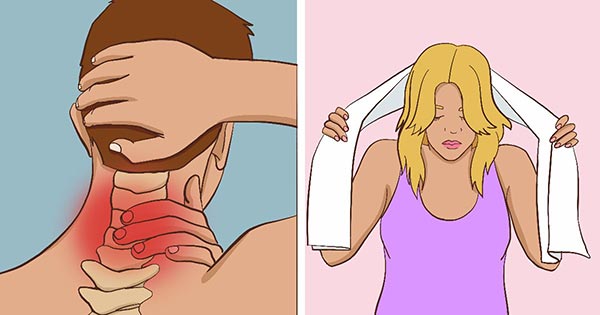
Unraveling the Mystery: Why Your Neck Hurts
Waking up with a stiff neck, enduring persistent headaches after a long day at the computer, or finding yourself reaching for painkillers more often than you'd like to soothe neck discomfort? You're not alone. Neck pain is a remarkably common affliction, affecting a significant portion of the population at some point in their lives. The good news is that understanding its root causes is the first step towards discovering how to cure neck pain fast and regain your comfort.
The neck, or cervical spine, is an intricate structure of bones, muscles, ligaments, and nerves designed to support your head and allow for a wide range of motion. Given its constant workload and delicate nature, it's susceptible to various forms of strain and injury. Common culprits behind that nagging neck ache include:
- Poor Posture: The "Tech Neck" Epidemic: One of the most prevalent modern causes is prolonged staring downwards. Whether you're engrossed in your smartphone, hunched over a computer, immersed in a book, or driving for extended periods, this "forward head posture" places immense stress on your neck muscles and spine. Over time, certain neck muscles weaken, while others become chronically tight and strained, leading to stiffness, limited mobility, and often, tension headaches. To learn more about tackling screen-induced stiffness, read our related article: Cure Neck Pain Fast: Stop Stiffness & Headaches from Screens.
- Suboptimal Sleeping Positions: Your sleep posture can significantly impact your neck. Sleeping in an awkward position can create undue stress on neck muscles and joints, leading to morning stiffness and recurring pain that, if left unaddressed, can progressively worsen.
- Acute Trauma and Injuries: Accidents or incidents causing direct trauma to the neck and shoulder muscles and joints are another common source of pain. This includes whiplash from car accidents, trips and falls, or sports-related injuries. These types of injuries often require professional intervention and are frequently why people seek physiotherapy.
- Stress and Tension: Beyond physical posture, mental and emotional stress can manifest as physical tension in the neck and shoulders. Chronic stress can cause muscles to involuntarily clench, leading to stiffness and pain.
Understanding these underlying reasons is crucial for not just temporary relief but for developing a sustainable strategy to prevent recurrence. Before diving into home remedies, it's vital to know when to seek professional medical advice.
When to Seek Professional Help
While many cases of neck pain can be managed with home remedies, some symptoms warrant immediate medical attention. If your neck pain is extremely severe, or if you're experiencing any of the following, seek professional medical advice without delay:
- Loss of consciousness
- Pins and needles sensation in your arms or hands
- Feeling weak in your limbs
- Numbness or radiating pain down your arm
- A cold sensation in your arm
- Difficulty with balance or coordination
- Fever or unexplained weight loss accompanying neck pain
These symptoms could indicate a more serious underlying condition that requires prompt diagnosis and treatment. For other situations, where these severe symptoms are absent, there are many effective strategies for how to cure neck pain fast without resorting to painkillers.
Immediate Relief: How To Cure Neck Pain Fast with Ice and Heat
One of the quickest and most effective ways to alleviate neck pain without medication is through the strategic application of ice and heat therapy. Both methods work on different principles to reduce discomfort and promote healing.
- Ice Therapy: The Cold Truth About Inflammation
Ice works by constricting blood vessels, which lowers blood flow to the affected area. This reduction in blood flow is key to minimizing inflammation and swelling, especially beneficial in the acute phase of an injury or when pain is accompanied by swelling. Think of ice as your go-to for fresh injuries, strains, or sudden onset stiffness from sleeping awkwardly. - Heat Therapy: Warming Up to Muscle Relaxation
Conversely, heat stimulates blood flow to the area. Increased blood flow helps relax tight muscles, soothe stiff joints, and promote tissue healing by delivering more oxygen and nutrients. Heat is particularly effective for chronic stiffness, muscle tension, or the dull ache associated with poor posture.
Application Guidelines: Whether you choose ice or heat, or a combination, consistency is key. Our physiotherapy team recommends applying therapy for 20 minutes at a time, up to 3 times a day. An essential safety tip is to always place a barrier, such as a thin towel or cloth, between the ice pack (or bag of frozen peas) or heat pack and your skin to prevent frostbite or burns. For optimal results, you might alternate between ice and heat, or use ice for acute pain and switch to heat for lingering stiffness. For a deeper dive into non-pharmacological relief, explore Why Your Neck Hurts & How to Cure It Fast Without Painkillers.
Unlock Your Neck's Potential: Effective Stretches and Posture Adjustments
Beyond immediate pain relief, targeted stretches and conscious posture adjustments are fundamental components of a long-term strategy for how to cure neck pain fast and prevent its return. These practices help restore flexibility, strengthen supporting muscles, and correct harmful habits.
Simple Stretches for a Supple Neck
Gentle stretches can significantly improve neck mobility and alleviate tension. Remember to perform these slowly and smoothly, without bouncing, and stop if you feel any sharp pain. Breathe deeply throughout each stretch.
- Shoulder Rolls: Sit or stand tall. Gently roll your shoulders forward in a circular motion 5-10 times, then reverse and roll them backward 5-10 times. This helps release tension in the upper back and shoulders, which often contributes to neck pain.
- Shoulder Blade Squeezes: From a seated or standing position, pull your shoulder blades together as if trying to hold a pencil between them. Hold for 5-10 seconds, then release. Repeat 10-15 times. This strengthens the muscles that support your upper back and pull your shoulders back, counteracting "tech neck."
- Gentle Head Rotations: Slowly turn your head to look over your right shoulder, holding for 15-20 seconds. Return to center, then turn to look over your left shoulder, holding for 15-20 seconds. Repeat 3-5 times on each side.
- Chin Tucks: Sit or stand with your back straight. Gently pull your chin straight back, as if making a double chin, keeping your eyes forward. You should feel a stretch at the back of your neck. Hold for 5-10 seconds, then release. Repeat 10-15 times. This helps strengthen deep neck flexors and improves forward head posture.
- Ear-to-Shoulder Stretch: Gently tilt your head to bring your right ear towards your right shoulder, without shrugging your shoulder. You should feel a stretch along the left side of your neck. Hold for 15-20 seconds, then return to center and repeat on the other side. Repeat 3-5 times on each side.
Reclaim Your Posture: Battling "Tech Neck"
Correcting ergonomic flaws in your daily environment is crucial for preventing neck pain. Small adjustments can make a big difference.
- Ergonomic Workspace Setup: Ensure your computer monitor is at eye level, so you're not looking down. Your chair should support your lower back, and your feet should be flat on the floor or a footrest. Keep your keyboard and mouse close to your body to avoid reaching.
- Mindful Smartphone Use: Instead of craning your neck, bring your phone up to eye level as much as possible. Take frequent breaks from screen time.
- Driving Dynamics: Adjust your car seat and headrest to support the natural curve of your neck. Avoid hunching over the steering wheel.
- Regular Movement Breaks: If your job involves prolonged sitting or repetitive tasks, incorporate short movement breaks every 30-60 minutes. Stand up, walk around, and perform a few of the stretches mentioned above.
Beyond Immediate Relief: Lifestyle Changes for Lasting Comfort
While ice, heat, and stretches provide fast relief, sustainable comfort from neck pain often requires a holistic approach that includes lifestyle adjustments.
Optimizing Your Sleep Environment
Your sleep quality directly impacts your neck health. Consider the following:
- Pillow Choice: Invest in a pillow that supports the natural curve of your neck and keeps your head in alignment with your spine. Memory foam or orthopedic pillows can be beneficial.
- Sleeping Position: Sleeping on your back or side is generally recommended over sleeping on your stomach, which can force your neck into an awkward, rotated position for hours.
- Mattress Support: Ensure your mattress provides adequate support for your entire body, preventing sagging that can throw your spine out of alignment.
Stress Management: A Key to Unlocking Tension
Given the strong link between stress and muscle tension, incorporating stress-reducing techniques into your daily routine can be incredibly beneficial for neck pain relief. Practices like deep breathing exercises, meditation, yoga, or even simply taking time for hobbies you enjoy, can help relax tight muscles and ease mental strain that often manifests in the neck and shoulders.
Embrace a Pain-Free Tomorrow
Living with chronic neck pain doesn't have to be your reality. By understanding the causes, recognizing when to seek professional help, and diligently applying simple yet powerful strategies, you can discover how to cure neck pain fast and maintain long-term comfort. Incorporating ice and heat therapy, practicing gentle stretches, refining your posture, and making mindful lifestyle choices are all crucial steps on your journey to a pain-free neck. Be consistent, listen to your body, and don't hesitate to consult with a physiotherapist or healthcare provider if your symptoms persist or worsen. Your neck supports your head – give it the care it deserves.